






Sleep Habits of the World’s 5 Most Successful People

- Why Isn’t There a “One-Size-Fits-All” Sleep Formula?
- Sleep Habits That Built Legends
- Create Your Own “Genius Sleep Sanctuary” with DrSleeep
- Frequently asked questions (FAQs)
Do you think success is built only during waking hours? The truth is, the real battlefield, where the mind sharpens and ideas are refined, is your bed. Success isn’t a race to deprive yourself of rest; it’s the art of mastering recovery. The sleep habits of the world’s greatest achievers are sacred rituals and hidden secrets behind their accomplishments.
They don’t sleep like the rest of us; they use sleep as a secret weapon, a nightly workshop where they rebuild their minds and bodies. Let’s pull back the curtain on the strangest and smartest sleep habits followed by these geniuses, and you’ll discover that their strength doesn’t lie only in what they do under the sun, but in how they embrace the dark.
Why Isn’t There a “One-Size-Fits-All” Sleep Formula?
Before we dive in, imagine sleep as a custom-made key designed to fit a unique lock, your body. Your neighbor’s key won’t open your door, and someone else’s sleep routine may not suit your unique biology. Our sleep needs vary as much as our fingerprints, depending on genetics, physical and mental activity, and even age.
So the goal isn’t to copy these successful people blindly, but to understand the philosophy behind their routines, how they turned sleep into a powerful tool for achieving their goals.
Sleep Habits That Built Legends
Here, we uncover the hidden rituals practiced by five of the most accomplished individuals in their fields.
1. Cristiano Ronaldo: Sleep as Interval Training
Cristiano Ronaldo doesn’t view his day, or his sleep, as one continuous block. Instead of sleeping eight hours straight, he follows a revolutionary system known as polyphasic sleep.
- Routine: He takes five short naps, each lasting 90 minutes, distributed throughout the day.
- Philosophy: Think of it as charging your phone in short, powerful bursts instead of one long, slow charge. Each 90-minute nap represents a full sleep cycle, allowing his body to recover, repair muscles, and reach the REM stage crucial for mental focus. This unconventional approach gives him a constant source of renewed energy.
How To Maintain Quality Sleep: Learn From Cristiano Ronaldo
2. Leonardo da Vinci: The Power of Micro-Naps
The timeless genius Leonardo da Vinci reportedly practiced an even more extreme sleep pattern known as the Uberman cycle.
- Routine: It’s said he slept for only 20 minutes every four hours, just two hours total per day.
- Philosophy: Imagine a hummingbird sipping nectar in quick, rhythmic bursts to sustain its energy, that’s how da Vinci’s supposed sleep pattern worked, granting him long hours of productivity to create his masterpieces.
3. Bill Gates: The Wind-Down Ritual Before Deep Sleep
Unlike others, Bill Gates sticks to a more traditional sleep schedule, but his secret lies in the rituals before bedtime.
- Routine: He ensures seven hours of sleep every night, non-negotiable, and spends an hour reading before bed.
- Philosophy: That hour isn’t for entertainment, it’s like a pilot checking his list before takeoff. Reading helps his mind shift from the data-heavy, decision-filled work mode into a relaxed state, ensuring his “journey” into sleep is smooth and restorative.
4. Jeff Bezos: Eight Hours for Billion-Dollar Decisions
The Amazon founder never compromises on sleep, considering it his most valuable management tool.
- Routine: He gets a full eight hours every night and wakes up naturally, no alarm clocks.
- Philosophy: “I get paid to make a few high-quality decisions, not thousands of mediocre ones,” Bezos says. For him, good sleep is like sharpening the axe before cutting down a tree. When he’s well-rested, his decisions are sharper, smarter, and more strategic. His sleep habit is a direct investment in his business performance.
5. Arianna Huffington: From Burnout to Global Sleep Advocate
Arianna Huffington’s story is the most powerful, because she learned her lesson the hard way.
- Routine: After collapsing from exhaustion and breaking her cheekbone, she transformed from someone who slept 3–4 hours a night into a global ambassador for sleep. Her rules are strict: eight full hours of sleep, turning off all devices 30 minutes before bed, and keeping them completely out of the bedroom.
- Philosophy: Her “fuel tank” once ran dry and crashed, now she makes sure to refill it every night. She realized that chasing success at the cost of sleep isn’t heroic; it’s self-destruction. She redefined what healthy sleep means in the modern world.
The Lesson: Don’t Copy the Schedule, Copy the Rest
As you can see, there’s no universal formula. Ronaldo’s routine could be disastrous for Bezos, yet they share one powerful commonality: they treat sleep with discipline and respect. They design their sleep environments to maximize recovery, and that’s where your opportunity lies.
The sleep habits of successful people teach us a profound truth: sleep isn’t wasted time, it’s a strategic investment. Whether you prefer short naps or long rest, the goal is the same: to wake up as the best version of yourself.
Create Your Own “Genius Sleep Sanctuary” with DrSleeep
You may not be able to take five naps a day, but you can absolutely achieve the same deep, restorative quality of sleep these achievers enjoy, and it all starts with your sleep environment.
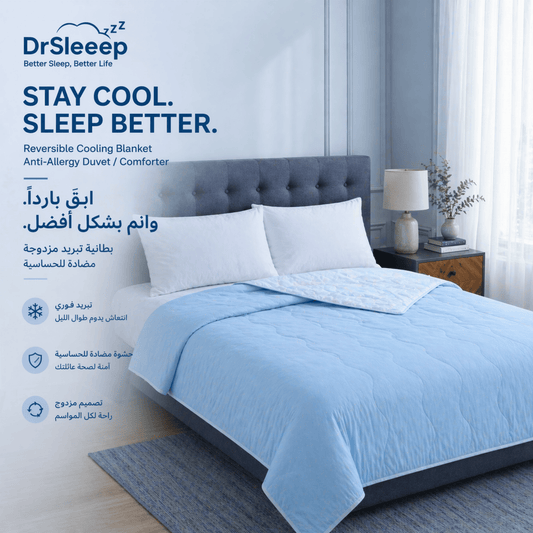
- Struggling with heat? That’s the number one enemy of deep sleep. Imagine resting on the cool side of your pillow all night long, that’s what DrSleeep’s cooling pillows and blankets do. They draw excess heat away from your body like a continuous, gentle breeze, minimizing tossing and turning for uninterrupted rest.
- Sensitive or uncomfortable? Our hypoallergenic comforter acts as a protective shield, blocking allergens that can silently disrupt your sleep. It’s lightweight, soft, and perfectly balanced for ultimate comfort, setting the stage for tranquil rest.
Start tonight, not by changing who you are, but by transforming where you sleep.
Order your DrSleeep products today and feel the real difference.


Q1: How many hours do successful people sleep?
A: Most sleep between 6–8 hours, but some follow unique cycles like Cristiano Ronaldo’s 5 naps or da Vinci’s micro-sleeps.
Q2: Does less sleep make you more productive?
A: No. Studies show that lack of sleep reduces creativity, focus, and decision-making. Smart rest boosts productivity.
Q3: What’s the healthiest sleep habit to adopt?
A: Consistent bedtime, no screens before sleep, and a calm sleep environment — just like Bill Gates or Arianna Huffington.


