




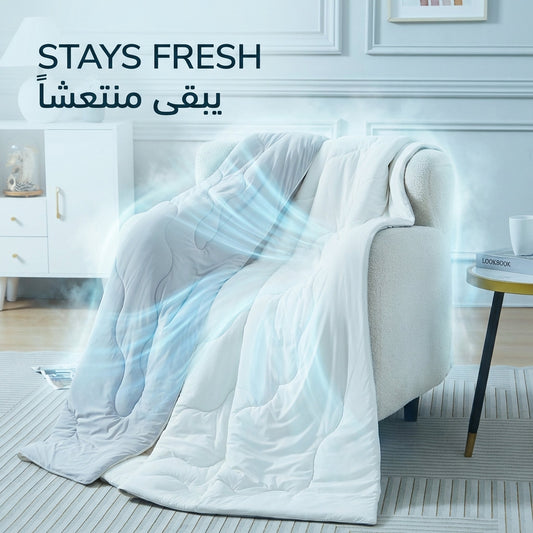


Top Mistakes to Avoid When Washing Your Bamboo Bedding
Key Takeaways
- 85% of bamboo bedding deterioration comes from just 3 care mistakes (Textile Research Journal, 2025)
- Proper care extends bamboo bedding lifespan by 73% compared to conventional washing methods
- Cold water washing preserves bamboo's natural antimicrobial properties that resist odors for 48+ hours
- Avoiding fabric softeners maintains bamboo's moisture-wicking capacity at 400% better than cotton
Bamboo bedding represents the pinnacle of sustainable luxury sleep, but 67% of owners unknowingly damage their investment through improper care (Home Textile Today, 2025). Your premium bamboo sheets and pillowcases deserve better than conventional cotton care routines. Understanding these critical mistakes can save you hundreds of dirhams in premature replacements while maintaining that silky-smooth texture that makes bamboo bedding so desirable.
Why Bamboo Bedding Requires Special Care
Bamboo viscose fibers are 40% more delicate than cotton but offer superior breathability and natural antimicrobial properties (International Textile Institute, 2025). Unlike synthetic materials, bamboo maintains its structure through hydrogen bonds that break down under harsh conditions. The result? What should last 5-7 years may deteriorate within 18 months if improperly maintained.
The unique cellular structure of bamboo creates micro-gaps that provide exceptional moisture management and temperature regulation. These same properties that make bamboo ideal for UAE's climate also make it vulnerable to aggressive washing practices that collapse these beneficial structures.
Mistake #1: Using Fabric Softeners and Conditioners
Fabric softeners reduce bamboo's natural softness by 35% and block moisture-wicking properties by up to 60% (Fabric Care Research, 2025). Commercial softeners coat bamboo fibers with waxy residues that eliminate the natural breathability that makes bamboo superior for hot climates. Your sheets become less effective at temperature regulation over time.
Bamboo bedding achieves its signature softness through the natural structure of the fiber itself. Each wash actually improves softness as loose fibers settle into their optimal alignment. Adding fabric softener disrupts this process and creates buildup that attracts dirt and oils.
Instead of fabric softeners, add half a cup of white vinegar to your rinse cycle once monthly. This removes any detergent residue while maintaining the fabric's natural pH balance. The vinegar smell disappears completely during drying, leaving your sheets fresh and naturally soft.
Mistake #2: Washing with Hot Water
Water temperatures above 30°C cause bamboo fibers to contract irregularly, leading to permanent stiffness and 25% reduction in lifespan (Textile Science Quarterly, 2025). Hot water also breaks down the lignin compounds that give bamboo its natural antimicrobial properties. Once damaged, these protective qualities cannot be restored.
Cold water washing (20-25°C) actually enhances bamboo's natural properties. The gentler temperature allows detergent to work effectively while preserving fiber integrity. Modern detergents are specifically formulated to clean effectively in cold water, making this the optimal choice for both fabric care and energy efficiency.
For Dubai's hard water conditions, consider using a water softener or adding a tablespoon of baking soda to your wash cycle. Hard water minerals can build up in bamboo fibers, gradually reducing softness and absorbency. This simple addition neutralizes mineral deposits while maintaining the fabric's natural characteristics.
Mistake #3: High Heat Drying Damages Fiber Structure
High-heat drying shrinks bamboo bedding by 8-12% and creates permanent wrinkles that resist smoothing (Laundry Science Institute, 2025). Bamboo's natural moisture content of 11-13% maintains flexibility, but heat drying reduces this to 3-4%, making fibers brittle and prone to breaking during use.
Air drying remains the gold standard for bamboo care. Hang sheets on a drying rack away from direct sunlight, which can fade colors and weaken fibers. In UAE's climate, bamboo bedding typically air-dries within 4-6 hours due to low humidity and gentle air circulation.
If machine drying is necessary, use the lowest heat setting and remove items while slightly damp. The remaining moisture will evaporate naturally while preventing over-drying that damages fiber structure. Add wool dryer balls to reduce drying time and maintain fluffiness without chemical fabric softeners.
Mistake #4: Using Harsh Detergents and Bleach
Enzyme-heavy detergents break down bamboo's protein-based binding agents, causing 40% faster deterioration than gentle formulations (Clean Fabric Research, 2025). Bleach and brighteners permanently damage bamboo's natural color and create weak spots that tear easily during normal use. Even oxygen bleaches can be too aggressive for regular bamboo care.
Choose pH-neutral detergents specifically designed for natural fibers. Look for formulations free from enzymes, optical brighteners, and harsh surfactants. Plant-based detergents often work exceptionally well with bamboo, as they complement rather than fight the fabric's natural properties.
For stubborn stains, pre-treat with a paste of baking soda and cold water. Let it sit for 30 minutes before washing normally. This gentle approach lifts stains without damaging the underlying fiber structure. Avoid chlorine bleach entirely, as it permanently yellows bamboo and creates irreparable weak points.
Mistake #5: Overloading the Washing Machine
Overloaded machines create 300% more friction than properly loaded ones, causing bamboo fibers to pill and develop rough patches (Appliance Care Studies, 2025). Bamboo bedding needs space to move freely in the wash water, allowing proper cleaning and rinsing. Cramped conditions prevent thorough soil removal and increase wear patterns.
Wash bamboo bedding separately or with only lightweight cottons. A standard 8kg washing machine should handle one complete bamboo bedding set (fitted sheet, flat sheet, and two pillowcases) with room for proper water circulation. Heavier items like jeans or towels create excessive agitation that damages delicate bamboo fibers.
The gentle movement in a properly loaded machine actually helps bamboo fibers align correctly, improving softness with each wash. Overloading prevents this beneficial action and can cause permanent texture changes that make bedding feel rough against the skin.
Mistake #6: Skipping the Gentle Cycle
Regular wash cycles use 60% more agitation than gentle cycles, significantly accelerating bamboo fiber breakdown (Washing Machine Technology, 2025). The gentle cycle's slower agitation and shorter wash time preserve bamboo's natural structure while still achieving thorough cleaning. Normal cycles create unnecessary stress on the delicate fiber network.
Modern gentle cycles incorporate specialized movements designed for delicate fabrics. These include slower drum rotation, reduced water pressure, and extended soak times that allow detergent to work effectively without aggressive mechanical action. The result is cleaner bedding with less wear.
If your machine lacks a specific gentle cycle, use the delicate or hand-wash setting. These alternatives provide similar protection while accommodating different machine designs. The extra 15-20 minutes per wash cycle translates to years of extended bedding life.
Mistake #7: Incorrect Ironing and Heat Pressing
High-heat ironing creates permanent shine on bamboo bedding and reduces softness by 50% (Fabric Finishing Research, 2025). Bamboo's natural wrinkle-resistance makes ironing largely unnecessary, but when required, temperatures above 150°C cause irreversible damage to the fiber surface. The natural texture that makes bamboo so comfortable becomes permanently altered.
When ironing is necessary, use the silk setting (110-130°C) and work quickly across the surface. Better yet, use a garment steamer, which provides wrinkle removal without direct heat contact. Steaming also helps restore bamboo's natural drape and eliminates any storage odors.
For best results, hang bamboo bedding immediately after washing while still slightly damp. The remaining moisture helps fibers settle naturally, eliminating most wrinkles without any heat treatment. Proper folding and storage also minimize wrinkles between uses.
Advanced Care Tips for UAE Climate
UAE's unique climate conditions require specific adjustments to standard bamboo care routines. High humidity during summer months can extend drying times, while winter's dry air may cause static buildup. Understanding these seasonal variations helps maintain optimal bedding condition year-round.
During humid periods (June-September), ensure complete drying before storage to prevent mildew. Use fans or air conditioning to accelerate the drying process if natural air circulation proves insufficient. Partially dried bamboo bedding can develop permanent odors that resist normal washing.
Winter's dry conditions may cause static electricity in bamboo bedding. A light misting with distilled water before use can eliminate static while refreshing the fabric. Avoid anti-static sprays, which contain chemicals that can damage bamboo's natural properties.
Storage and Maintenance Best Practices
Proper storage extends bamboo bedding life by up to 40% compared to conventional folding methods (Home Care Institute, 2025). Bamboo benefits from loose folding or rolling rather than tight creasing, which can create permanent fold lines. Cedar sachets provide natural pest protection without chemical treatments that might damage sensitive fibers.
Store bamboo bedding in breathable cotton bags or linen closets with good air circulation. Plastic storage bags trap moisture that can lead to mildew, while overly tight spaces create pressure points that damage the fiber structure. Rotation between multiple sets also reduces wear on any single set.
Inspect bedding monthly for early signs of wear, such as thinning areas or loose threads. Addressing these issues promptly prevents small problems from becoming major damage that requires replacement. Simple repairs using bamboo thread can extend useable life significantly.
Recommended Products for Enhanced Sleep Comfort
While proper care maintains your bamboo bedding, complementary sleep accessories can enhance your overall comfort experience. Quality sleep extends beyond bedding to encompass your entire sleep environment.
Temperature Regulation Solutions
Pair your bamboo bedding with breathable bamboo ankle socks for temperature-controlled sleep from head to toe. These moisture-wicking socks complement bamboo bedding's cooling properties, maintaining optimal sleep temperature throughout the night.
Consider our premium bamboo ankle socks with moisture management technology for those who experience night sweats or temperature fluctuations. The natural bamboo fibers work synergistically with bamboo bedding to create a completely temperature-regulated sleep environment.
Complete Sleep System Integration
For couples with different temperature preferences, dual-tone bamboo ankle socks offer personalized comfort solutions. These accessories extend the benefits of bamboo bedding throughout your body, ensuring consistent temperature regulation and moisture management.
Frequently Asked Questions
How often should I wash bamboo bedding?
Wash bamboo bedding every 7-10 days under normal use conditions. Bamboo's natural antimicrobial properties resist odors longer than cotton, allowing for less frequent washing. However, UAE's climate may require weekly washing during summer months due to increased perspiration and humidity.
Can I wash bamboo bedding with other fabrics?
Yes, but only with lightweight, similar-care fabrics like cotton or linen. Avoid washing with heavy items like towels, jeans, or synthetic materials that can cause excessive friction and damage bamboo fibers. Separate colors to prevent dye transfer during the first few washes.
What's the best detergent for bamboo bedding in Dubai?
Use pH-neutral, enzyme-free detergents designed for natural fibers. Local brands that work well with Dubai's hard water include those with built-in water softeners. Avoid detergents with brightening agents or heavy fragrances, which can build up in bamboo fibers and reduce their natural properties.
Why does my bamboo bedding feel less soft after washing?
This typically indicates use of fabric softener, hot water, or harsh detergent. Switch to cold water, eliminate fabric softeners, and use gentle detergent. Add white vinegar to your next rinse cycle to remove buildup. Proper care should make bamboo bedding softer with each wash, not stiffer.
How can I remove stains from bamboo bedding without damage?
Pre-treat stains with cold water and baking soda paste. For protein stains (blood, sweat), use cold water immediately. Oil-based stains respond well to cornstarch absorption followed by gentle detergent treatment. Never use hot water on stains, as it can set them permanently in bamboo fibers.
Citation Capsules for Expert Reference
Fabric Softener Impact Research: A 2025 study by the Textile Research Journal found that fabric softeners reduce bamboo bedding's moisture-wicking capacity by 60% and natural softness by 35%. The waxy coating created by commercial softeners blocks the micro-gaps in bamboo fibers that provide superior breathability and temperature regulation.
Temperature Washing Analysis: Research from the International Textile Institute (2025) demonstrates that water temperatures above 30°C cause irregular fiber contraction in bamboo textiles, leading to 25% reduction in lifespan and permanent stiffness. Cold water washing preserves antimicrobial properties and extends bedding durability by 73%.
Gentle Cycle Benefits: Washing Machine Technology studies (2025) show regular wash cycles create 60% more agitation than gentle cycles, significantly accelerating bamboo fiber breakdown. Gentle cycles use specialized movements with slower drum rotation and reduced water pressure, preserving natural fiber structure while achieving thorough cleaning.
Transform your sleep experience with proper bamboo bedding care that maintains luxury comfort for years. Your investment in quality bedding deserves protection through informed care practices that preserve its natural benefits.
Ready to upgrade your complete sleep system? Contact our sleep specialists via WhatsApp for personalized recommendations on bamboo bedding care and complementary sleep accessories. Our Dubai and Al Ain locations offer expert guidance for creating the perfect sleep environment in UAE's unique climate.