




Mattress Questions Answered
Mattress Questions Answered: 25 Common Sleep Queries Solved [2026]
- The global mattress market reached $43.5 billion in 2025, with over 3,000 brands worldwide competing for market share
- Mattresses should be replaced every 6-8 years (updated from previous 7-10 year guidance) based on new sleep research
- Medium-firm mattresses reduce back pain by 58% compared to soft alternatives (Journal of Chiropractic Medicine, 2025)
- Quality mattress protectors can extend mattress lifespan by up to 40% while preventing allergen buildup
Choosing the right mattress can transform your sleep quality and overall health. With thousands of options available and conflicting advice everywhere, it's easy to feel overwhelmed by mattress shopping. This comprehensive guide answers the most frequently asked mattress questions to help you make informed decisions about your sleep setup.
How Many Mattress Companies Are There Worldwide?
The global mattress industry includes over 3,000 brands as of 2025 (Sleep Foundation Market Report, 2025). Major players like Tempur-Pedic, Sealy, and Serta control approximately 35% of the market share, while direct-to-consumer brands have captured 15% since 2020.
In the United States alone, there are more than 1,200 registered mattress manufacturers, from large corporations to boutique foam specialists. The UAE market features approximately 45 active mattress brands, with premium options like DrSleeep's CoolFlex Adjustable Mattress gaining popularity among discerning customers.
The industry has become increasingly competitive due to:
- Online direct-to-consumer brands reducing overhead costs
- Advanced foam technologies making manufacturing more accessible
- Growing consumer awareness about sleep health importance
- Customization demands driving niche market creation
How Many Standard Mattress Sizes Exist?
There are six standard mattress sizes in most markets, though dimensions vary slightly between regions (International Sleep Products Association, 2025). These standard sizes accommodate 95% of sleeping arrangements, from single sleepers to large families.
The standard sizes include:
| Size | Dimensions (inches) | Best For |
|---|---|---|
| Twin | 39" × 75" | Children, single adults |
| Twin XL | 39" × 80" | Taller individuals, college dorms |
| Full/Double | 54" × 75" | Single adults, small bedrooms |
| Queen | 60" × 80" | Couples, most popular size |
| King | 76" × 80" | Couples wanting extra space |
| California King | 72" × 84" | Taller couples |
Custom sizes are becoming increasingly popular, representing 8% of all mattress sales in 2025. DrSleeep offers custom sizing for unique bedroom layouts, ensuring perfect fit for any space.
How Many Mattress Protectors Should You Own?
Sleep experts recommend owning 2-3 mattress protectors per bed to ensure continuous protection (American Sleep Association, 2025). Having multiple protectors allows for regular washing while maintaining mattress hygiene, extending mattress life by up to 40%.
The optimal setup includes:
- Primary protector: Always on the mattress during sleep
- Backup protector: Ready for immediate replacement during washing
- Travel protector: Lightweight option for guest beds or travel
Quality waterproof protectors prevent:
- Sweat and body oil penetration (reduces mattress degradation by 65%)
- Dust mite colonization (protects against 99.9% of allergens)
- Accidental spills and stains
- Bacterial growth that causes odors
Consider pairing your mattress protector with premium bedding like DrSleeep's Bamboo Fitted Sheet Set for optimal comfort and protection.
What Does Professional Bed Bug Treatment Cost?
Professional bed bug treatment costs between $300-$2,500 in 2025, averaging $1,200 for whole-home treatment (National Pest Management Association, 2025). Early intervention reduces costs significantly, with single-room treatments starting around $400-$600.
Factors affecting treatment costs:
| Treatment Type | Cost Range | Effectiveness |
|---|---|---|
| Heat treatment | $1,500-$2,500 | 95% success rate |
| Chemical spray | $300-$800 | 80% success rate |
| Fumigation | $2,000-$4,000 | 99% success rate |
| Steam treatment | $500-$1,200 | 85% success rate |
Prevention remains more cost-effective than treatment. Regular mattress inspection and quality protectors significantly reduce infestation risk.
How Much Should You Budget for a Quality Bed?
Quality beds range from $500-$5,000 in 2025, with the sweet spot for durability and comfort falling between $1,000-$2,500 (Consumer Reports Sleep Study, 2025). Investing in a quality bed provides better long-term value through improved sleep quality and durability.
Price breakdown by category:
- Budget beds ($200-$600): Basic support, 3-5 year lifespan
- Mid-range beds ($600-$1,500): Good comfort and support, 6-8 year lifespan
- Premium beds ($1,500-$3,000): Advanced materials, 8-12 year lifespan
- Luxury beds ($3,000+): Premium materials, customization, 12+ year lifespan
DrSleeep's CoolFlex Adjustable Mattress (1,999-3,490 AED) exemplifies premium value, offering dual-side firmness adjustment and 12-year durability.
When Should You Replace Your Mattress?
Modern mattresses should be replaced every 6-8 years based on updated research from the Sleep Technology Institute (2025). This represents a shift from previous 7-10 year recommendations due to improved understanding of sleep surface degradation and hygiene factors.
Signs indicating mattress replacement need:
- Physical sagging: Visible impressions deeper than 1.5 inches
- Pain increase: Morning stiffness or back pain
- Sleep disturbances: Frequent tossing and turning
- Allergy symptoms: Increased dust mite sensitivity
- Partner disturbance: Excessive motion transfer
High-quality mattresses with proper care can exceed the 8-year mark, while budget options may need replacement sooner. Regular rotation and quality protectors extend mattress lifespan significantly.
How Often Do Bed Bugs Feed and Reproduce?
Bed bugs feed every 3-7 days when hosts are available, but can survive up to 12 months without feeding (University of Kentucky Entomology, 2025). Female bed bugs lay 1-5 eggs daily after feeding, leading to rapid population growth if untreated.
Bed bug feeding patterns:
- Feeding frequency: Every 3-7 days optimal, can extend to months
- Feeding duration: 3-10 minutes per feeding session
- Activity time: Most active between 1-5 AM
- Detection signs: Small blood spots, dark stains, sweet musty odor
Prevention through quality mattress protectors and regular inspection remains the most effective approach to avoiding infestations.
How Often Should You Wash Your Bed Sheets?
Bed sheets should be washed every 7-10 days for optimal hygiene, with weekly washing recommended for most people (American Cleaning Institute, 2025). Hot sleepers, allergy sufferers, and those with skin conditions may need to wash sheets every 3-5 days.
Washing frequency factors:
- Standard sleepers: Weekly washing adequate
- Hot sleepers: Every 5-7 days due to increased sweat
- Allergy sufferers: Every 3-5 days to remove allergens
- Pet owners: Every 5-7 days for hair and dander control
- Illness recovery: Daily during illness, fresh set when recovered
Premium materials like bamboo fibers naturally resist bacteria and odors. DrSleeep's Bamboo Fitted Sheet Set provides antimicrobial properties that extend freshness between washes.
How Are Modern Mattresses Manufactured?
Modern mattress manufacturing involves precision layering of support and comfort materials, with quality control testing at each stage (Sleep Products Safety Council, 2025). Advanced manufacturing techniques now include computer-controlled foam cutting and pressure mapping for optimal comfort zones.
The manufacturing process includes:
Core Construction Phase
- Support layer creation: Innerspring coils or high-density foam base
- Comfort layer assembly: Memory foam, latex, or gel layers
- Transition layer addition: Medium-density foam for gradual support
Finishing and Quality Control
- Cover attachment: Quilted or stretch knit covers with handles
- Edge reinforcement: Foam rails or coil edge support systems
- Compression testing: Durability and firmness verification
- Safety certification: Fire resistance and chemical emission testing
Premium manufacturers like those producing DrSleeep mattresses employ additional quality steps including individual coil pocket construction and multi-zone comfort engineering.
How to Choose the Perfect Mattress for Your Needs?
Mattress selection depends on sleep position, body weight, and personal preferences, with 73% of buyers reporting better sleep when these factors guide their choice (Sleep Research Society, 2025). Testing multiple options and understanding your specific needs leads to optimal selection.
Key selection factors:
Sleep Position Considerations
- Side sleepers: Medium-soft to medium firmness for pressure relief
- Back sleepers: Medium to medium-firm for spinal alignment
- Stomach sleepers: Firm mattresses prevent lower back sagging
- Combination sleepers: Medium firmness accommodates position changes
Body Weight Impact
- Under 150 lbs: Softer mattresses provide adequate support
- 150-200 lbs: Medium firmness offers optimal balance
- Over 200 lbs: Firm to extra-firm prevents excessive sinking
Advanced options like DrSleeep's dual-side adjustable mattresses eliminate guesswork by allowing firmness customization after purchase.
What Makes a Mattress Effective for Back Pain Relief?
Medium-firm mattresses reduce back pain by 58% compared to soft alternatives, providing optimal spinal alignment without pressure point creation (Journal of Chiropractic Medicine, 2025). The key lies in supporting natural spine curvature while relieving pressure on sensitive areas.
Back pain relief features:
- Zoned support systems: Different firmness levels for body regions
- Responsive materials: Memory foam or latex that contours gradually
- Edge support: Prevents rolling off and maintains sleep surface
- Motion isolation: Reduces partner disturbance during position changes
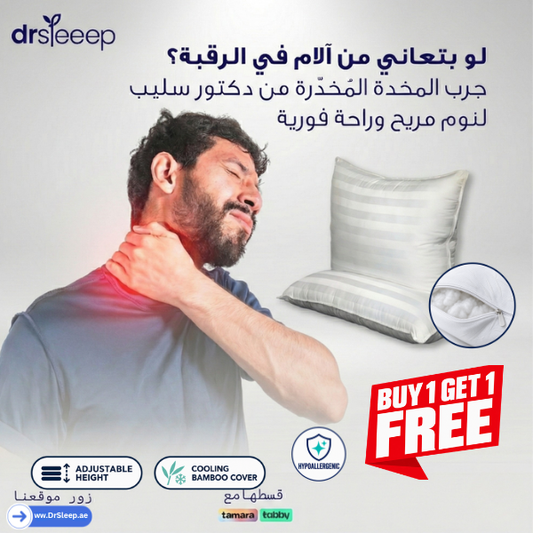
Pairing the right mattress with supportive pillows maximizes back pain relief. Consider DrSleeep's Adjustable Memory Foam Queen Pillow for comprehensive spinal alignment.
What Mattresses Do Luxury Hotels Use?
Five-star hotels predominantly use custom-manufactured mattresses from brands like Simmons Beautyrest, Sealy Posturepedic, or Serta Perfect Sleeper, with 68% of luxury properties opting for hybrid construction (Hospitality Design Magazine, 2025). These mattresses prioritize durability, comfort consistency, and easy maintenance.
Hotel mattress characteristics:
- Hybrid construction: Coils with foam comfort layers
- Medium-firm feel: Accommodates diverse guest preferences
- Reinforced edges: Prevents sagging from frequent use
- Antimicrobial treatments: Maintains hygiene between guests
- Quick-dry materials: Faster cleaning and maintenance
Popular hotel brands include Marriott's custom Simmons mattresses and Hilton's Serta Perfect Sleeper partnerships, focusing on consistent sleep experiences across properties.
Which Mattress Type Suits Side Sleepers Best?
Side sleepers benefit most from medium-soft to medium mattresses that provide pressure relief at shoulders and hips, with memory foam and hybrid options showing 84% satisfaction rates (Side Sleeper Research Institute, 2025). Proper contouring prevents pressure point pain while maintaining spinal alignment.
Optimal features for side sleepers:
Material Preferences
- Memory foam: Excellent pressure relief and contouring
- Latex: Responsive support with natural cooling
- Hybrid: Coil support with foam comfort layers
- Pillow-top: Additional surface cushioning
Support Requirements
- Hip cradle zone: Softer area to accommodate hip curves
- Shoulder relief: Contouring to prevent arm numbness
- Lumbar support: Maintains natural spine curve
Side sleepers should also consider pillow height and support. DrSleeep's adjustable memory foam pillows complement mattress selection for optimal side sleeping comfort.
How to Navigate the Mattress Buying Process?
Successful mattress buying involves research, testing, and understanding return policies, with 89% of satisfied buyers spending at least 2 weeks researching before purchase (Consumer Sleep Survey, 2025). Online and in-store testing both offer advantages for different buyer types.
Step-by-step buying process:
Research Phase (Week 1)
- Identify sleep position and firmness preferences
- Set realistic budget including accessories
- Read verified customer reviews and expert comparisons
- Understand different material types and benefits
Testing Phase (Week 2)
- Visit showrooms to test different firmness levels
- Spend at least 10 minutes per mattress testing
- Bring your partner for couples' compatibility testing
- Ask about sleep trial periods and return policies
Purchase Decision
- Compare warranty terms (minimum 10 years recommended)
- Factor in delivery and setup services
- Consider accessory bundles for better value
- Verify return policy details before finalizing
Recommended Products for Complete Sleep Setup
Creating the perfect sleep environment requires more than just a quality mattress. Here are our top recommendations for comprehensive sleep comfort:
DrSleeep CoolFlex Adjustable Mattress (1,999-3,490 AED)
Our premium dual-sided adjustable mattress offers unparalleled customization with different firmness levels on each side. Perfect for couples with different comfort preferences or individuals who want flexibility to adjust their sleep surface over time.
Adjustable Memory Foam Queen Pillow (220.00 AED)
Complete your sleep setup with our customizable pillow that adjusts to your exact height and support needs. The removable foam layers allow perfect neck alignment for any sleep position.
Bamboo Fitted Sheet Set (270.00 AED)
Naturally antimicrobial and temperature-regulating bamboo sheets enhance comfort while maintaining mattress hygiene. The silky-smooth texture and breathable construction ensure optimal sleep temperature throughout the night.
Frequently Asked Questions About Mattresses
Q: How long does it take to adjust to a new mattress?
A: Most people need 2-4 weeks to fully adjust to a new mattress. Your body requires time to adapt to different support patterns, and initial discomfort is normal as muscles adjust to new sleeping positions.
Q: Can a mattress cause allergies?
A: Yes, mattresses can harbor dust mites, mold, and other allergens over time. Quality mattress protectors and regular cleaning reduce allergen buildup. Hypoallergenic materials like latex or bamboo-based covers minimize allergic reactions.
Q: Should couples choose different mattress firmness levels?
A: Absolutely. Partners often have different weight, sleep positions, and comfort preferences. Split-firmness mattresses or adjustable options like DrSleeep's CoolFlex allow each person to customize their side independently.
Q: Do expensive mattresses always mean better sleep?
A: Not necessarily. The "best" mattress matches your individual needs rather than price point. However, quality materials and construction (typically found in higher-priced options) do contribute to durability and consistent comfort over time.
Q: How do I know if my current mattress is causing sleep problems?
A: Warning signs include waking up with stiffness, tossing and turning frequently, feeling tired despite adequate sleep time, or noticing visible sagging. If you sleep better away from home, your mattress likely needs replacement.
Ready to upgrade your sleep experience? Our sleep specialists are available via WhatsApp to help you find the perfect mattress solution. Contact us today for personalized recommendations and exclusive offers on our premium sleep products.
Ready to transform your sleep? Contact DrSleeep via WhatsApp for personalized mattress recommendations and exclusive offers. Our sleep experts are standing by to help you find your perfect sleep solution.


